Forager Tama Matsuoka Wong will show Wissahickon-area residents how to turn invasive weeds into meals and tea at a free Friends of the Wissahickon (FOW) Valley Talk on Wednesday, Oct. 21.
The talk, titled "Into the Weeds: Foraging for Invasive Plants in Pennsylvania," runs from 6 to 7:30 p.m. at the Valley Green Inn. A Zoom option is available. Registration is required at FOW.org.
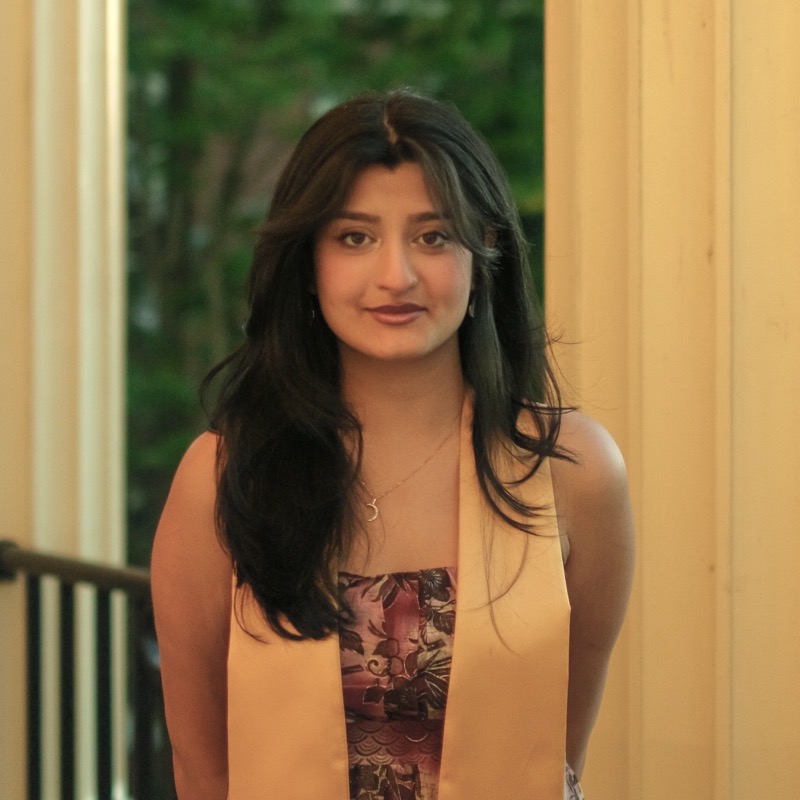
Wong calls herself a "failed" gardener turned "garden contrarian." She graduated from Harvard Law School and spent more than 25 years as a financial services lawyer in Tokyo, New York and Hong Kong.
She returned to Hunterdon County, New Jersey, and built a second career foraging wild plants, according to her website. She founded Meadows and More LLC, which culls invasive and non-native plants with landowners, organic farmers and conservation groups.
Wong sells many pounds of invasive weeds to chefs and markets. In a 2021 Resy profile, she described her view of a wild meadow: "When people look at this, this is not what they want. When I look at this, I think it's a buffet."
Her talk will draw from her latest book, "Into the Weeds: How to Garden Like a Forager." She plans to cover why weeds sit at the intersection of food, environment and health, and how to use the most common species growing in the region, the Times Herald first reported. Her earlier book, "Foraged Flavor," was nominated for a James Beard Award in 2013.
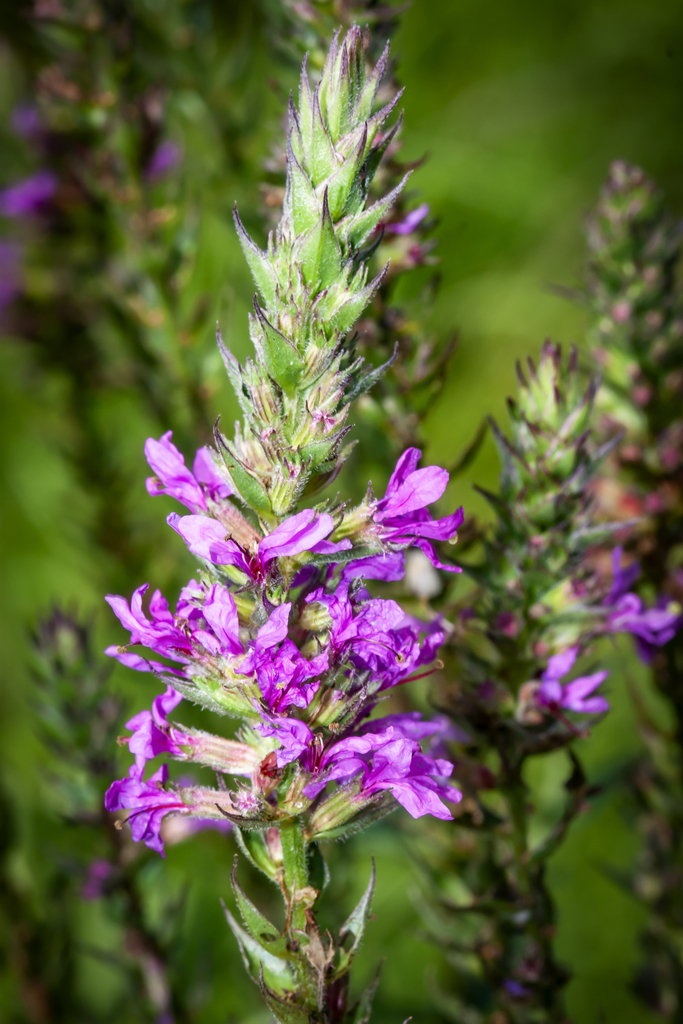
FOW, the nonprofit that stewards Wissahickon Valley Park, highlighted Purple Loosestrife as one aggressive invasive species in the region. The organization describes Wong's approach as a way to manage unwanted plants by turning them into food, teas and other useful products.
The Oct. 21 event is the first Valley Talk of FOW's fall season. Univest Financial is the presenting sponsor.
Coming up: FOW's next Valley Talk is Wednesday, Nov. 11. Wildlife ecologist Julie Carol Ellis of the University of Pennsylvania School of Veterinary Medicine will discuss the Accessing Urban Nature Initiative. The project uses trail cameras across Philadelphia, including Wissahickon Valley Park, to study city-dwelling wildlife.