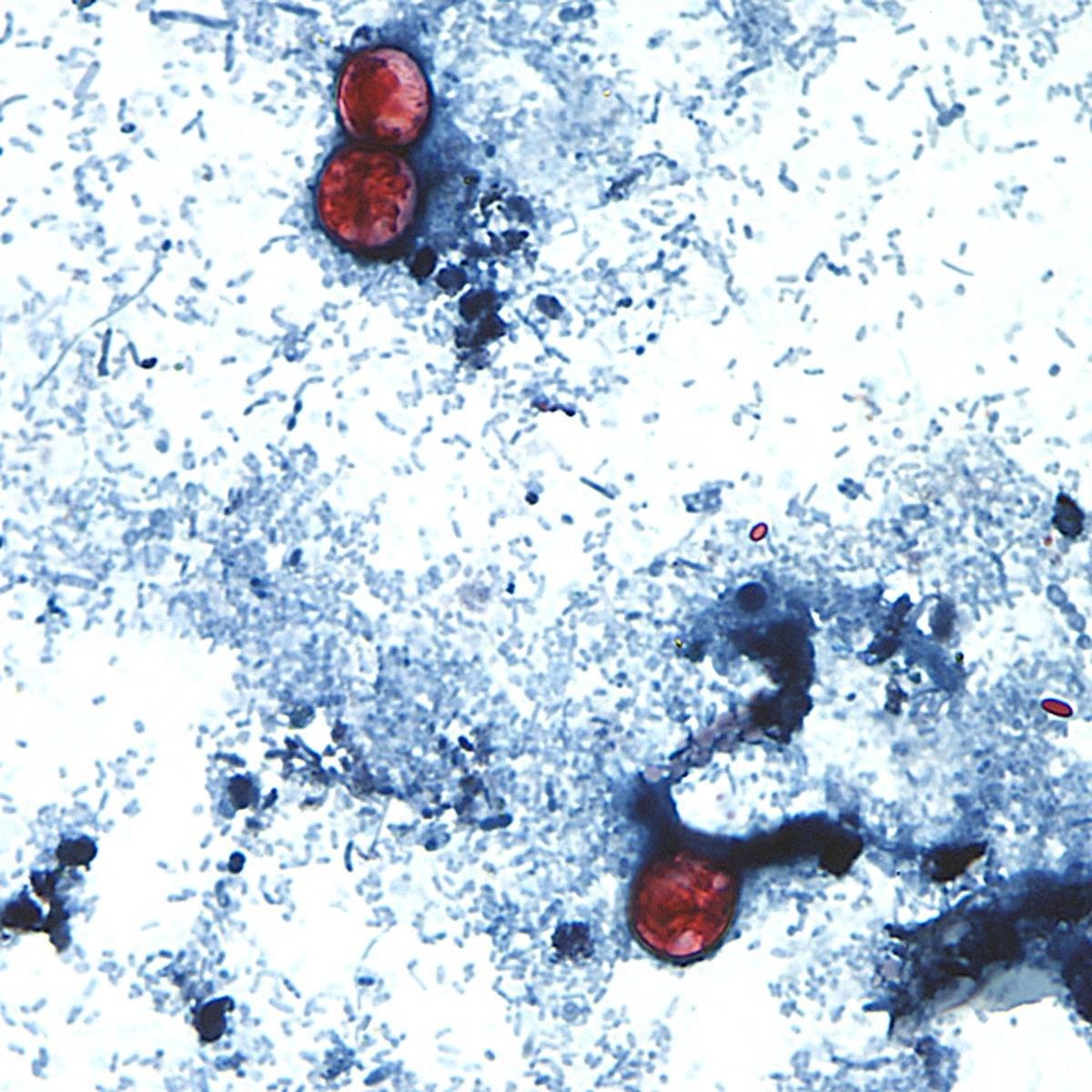
Montgomery County residents who bought bagged iceberg lettuce in June or July may have been exposed to a parasitic illness that has now sickened thousands across the country.
Montgomery County health officials confirmed cases of cyclosporiasis linked to contaminated shredded iceberg lettuce, the Times Herald reported July 19. Officials did not disclose how many county residents have confirmed cases.
Neighboring Bucks County reported five. "Five cases have been confirmed in Bucks County, four of them in the past month," James O'Malley, Bucks County spokesman, told the Times Herald.
The CDC on July 25, formally added Pennsylvania to its list of nine states in the outbreak, which the agency has linked to shredded iceberg lettuce supplied by Taylor Farms de Mexico. The state health department had confirmed 28 cases statewide as of mid-July, and the CDC estimates the true Pennsylvania count is between 31 and 80. Pennsylvania Health Secretary Debra Bogen said in a health advisory issued around July 16 that case counts are expected to rise as the investigation continues.
What was recalled
Taylor Farms issued a voluntary recall on July 17, covering all iceberg lettuce sourced from its facility in central Mexico. The recall includes 25 shredded lettuce and salad mix products sold under eight brand codes, shipped to 27 states including Pennsylvania, with "best by" dates as late as August 3.
Walmart pulled Marketside Bagged Iceberg Salad and Shredded Iceberg Salads from stores in 27 states. Sysco, the nation's largest food distributor, halted distribution of all Taylor Farms iceberg lettuce from Mexico and told customers to destroy the products.
The CDC said the contaminated lettuce was supplied to Taco Bell restaurants in Indiana, Kentucky, Michigan, Ohio and West Virginia, as well as to major grocery retailers including Walmart, Target and Whole Foods. Pennsylvania Taco Bell locations have not been named in the outbreak, but recalled lettuce products reached Pennsylvania grocery stores.
Scale of the outbreak
Nationally, the CDC's outbreak page lists at least 1,947 confirmed cases tied to the nine-state lettuce outbreak, with 98 hospitalizations and no deaths. A broader CDC surveillance update from July 21, counted 4,173 laboratory-confirmed cyclosporiasis cases across the U.S. since May 1, with more than 7,400 additional cases still under investigation.
This is the largest cyclospora outbreak in U.S. history. The previous record, according to a 2023 USDA report, involved about 1,500 cases. By comparison, only 249 cases had been reported nationally by this point in 2025.
Symptoms and what to do
Symptoms include watery diarrhea, cramping, bloating, nausea, loss of appetite, weight loss and fatigue. They can take one to two weeks to appear after exposure.
The illness is not contagious person-to-person. Doctors treat it with the antibiotic trimethoprim-sulfamethoxazole (Bactrim).
Health officials urge residents to wash fresh produce under running water and scrub firm produce like melons. Anyone with prolonged symptoms should see a doctor and ask to be tested.
The CDC's investigation remains open. Residents can monitor updates at https://www.cdc.gov/cyclosporiasis.