The Centers for Disease Control and Prevention issued a nationwide health advisory Sept. 10 warning of a sharp rise in human rabies exposures.
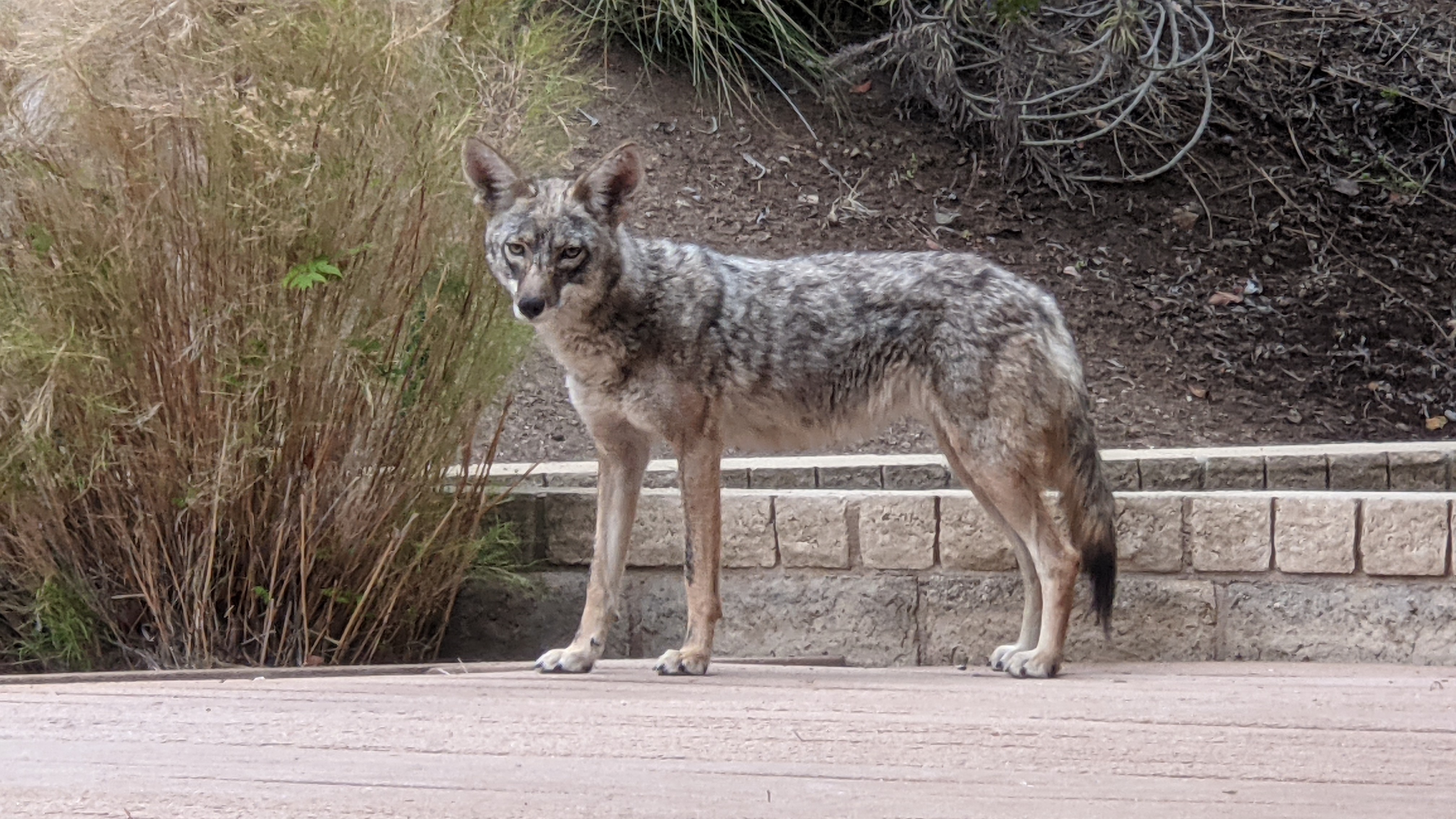
The alert came weeks after a rabid coyote attacked a person and their dog at a Montgomery County park, underscoring the threat for local residents and pet owners.
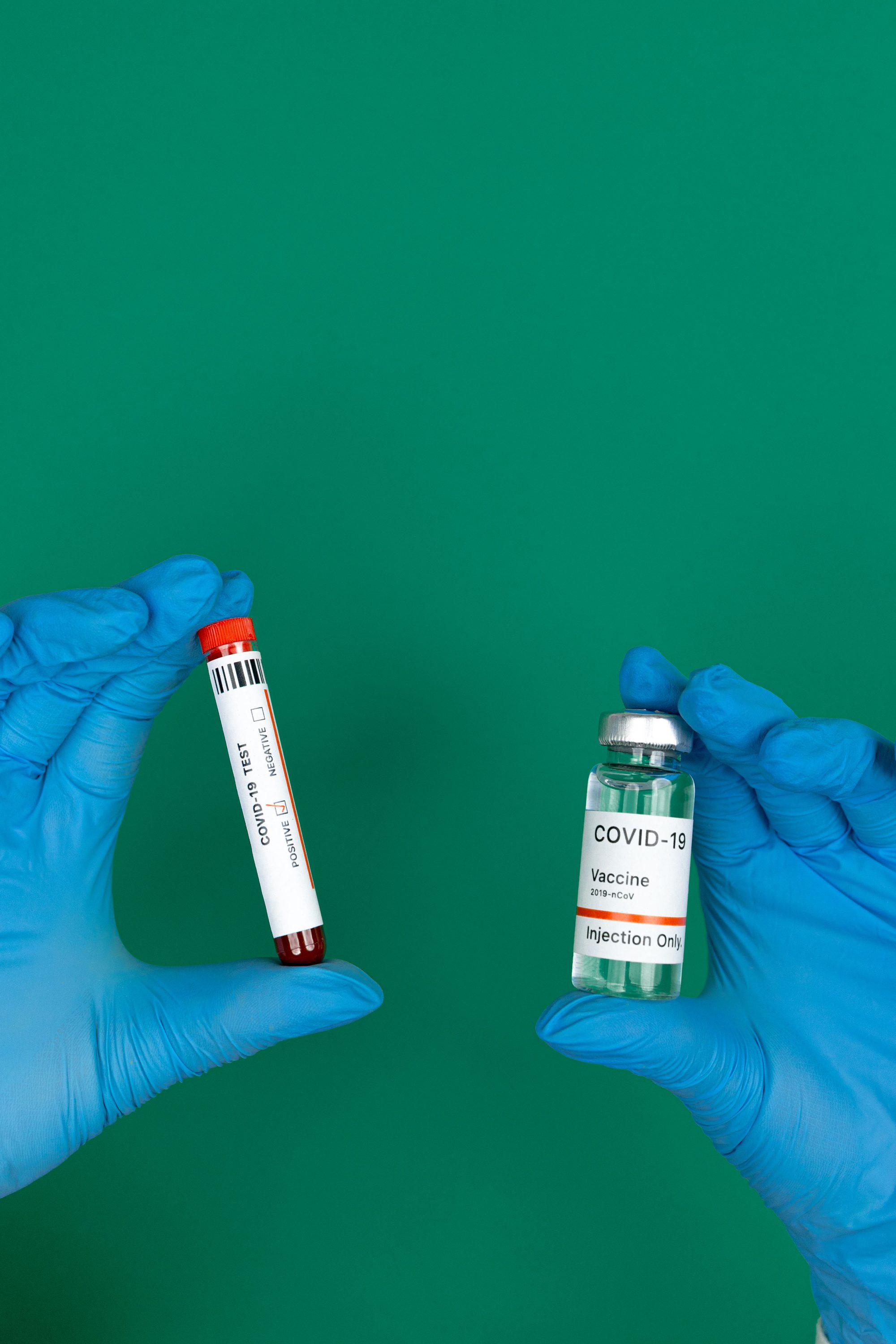
The CDC advisory reported a 17% jump in rabies-related inquiries from July through August compared with the same period in 2025. At least eight state health departments reported increased use of post-exposure prophylaxis, known as PEP, administration errors, or both.
Pharmacy data through Sept. 2 showed a 33% increase in rabies vaccine usage and a 76% surge in immune globulin usage compared with last year.
The threat hit close to home in August. On Aug. 21, Cheltenham Township police received multiple reports of an aggressive coyote in the Wyncote section of the township. The animal had been spotted near Curtis Dog Park, Hopeland Road, Washington Lane and Rock Creek Drive.
Officers and the Pennsylvania Game Commission searched the area, including by drone, but could not initially locate the animal, NBC10 Philadelphia reported. Later that day, the coyote attacked a person walking their dog at Curtis Dog Park. Police killed the animal on scene, and the Game Commission took the body for testing.
On Aug. 26, Cheltenham Township police confirmed the coyote tested positive for rabies. The department urged anyone who had contact with any coyote to seek medical or veterinary care immediately.
Officials said they are working with the Game Commission to monitor the area.
What residents should know
Rabies is nearly always fatal once symptoms appear. It is preventable when PEP treatment begins before symptoms start, according to the CDC. A typical course of PEP costs between $11,000 and $14,000 per person. About 100,000 Americans receive the treatment each year.
Bats, raccoons, skunks and foxes are the most common rabies carriers in the United States, but any mammal can become infected. A person generally cannot tell whether an animal has rabies by looking at it, the CDC noted.
The agency recommends that anyone bitten or scratched by wildlife or an animal acting strangely wash the wound with soap and water for 15 minutes and contact a medical provider promptly.
Pet owners should keep rabies vaccinations current. Pets not up to date on their shots face higher risk if they encounter a rabid animal, Cheltenham Township police warned.
Pennsylvania saw other rabies cases this summer. A raccoon attacked a Chester County resident in June, and a rabid cat bit a person and a dog in Westmoreland County in July, according to Patch.
How to report
Residents who see wildlife acting erratically should call 911. Anyone who suspects human rabies exposure can contact the Pennsylvania Department of Health at 877-PA-HEALTH (877-724-3258).